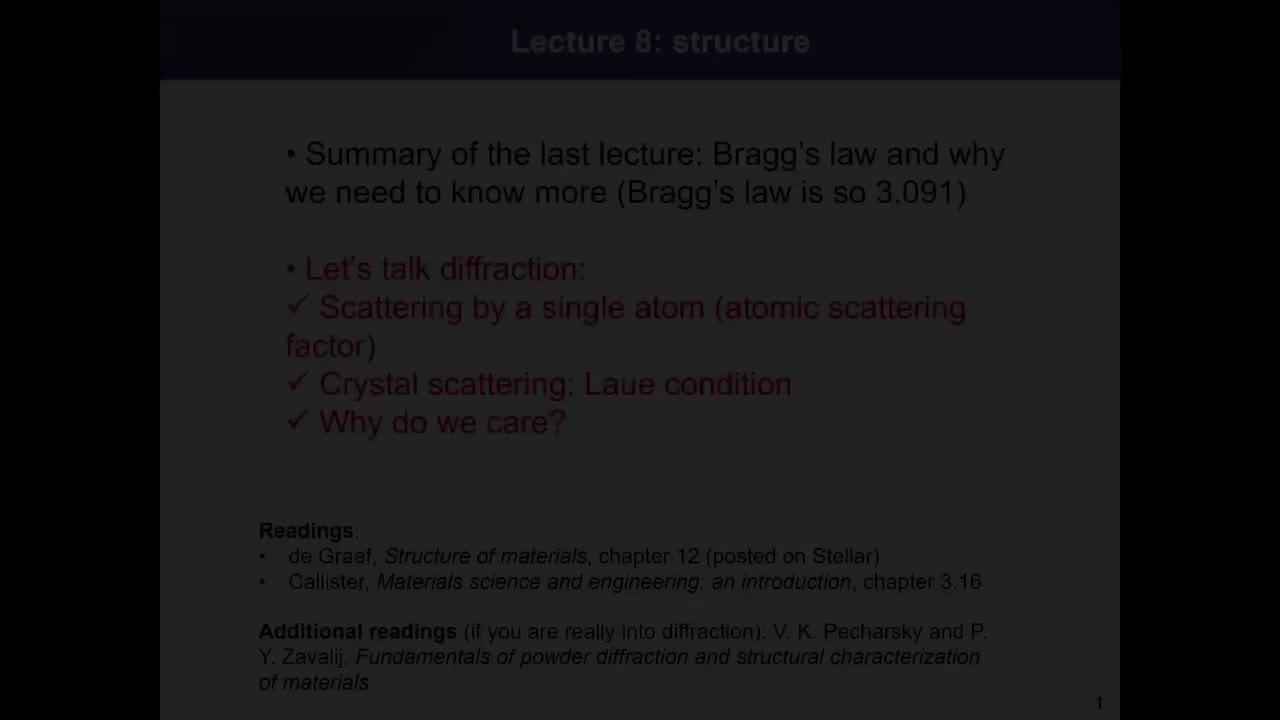
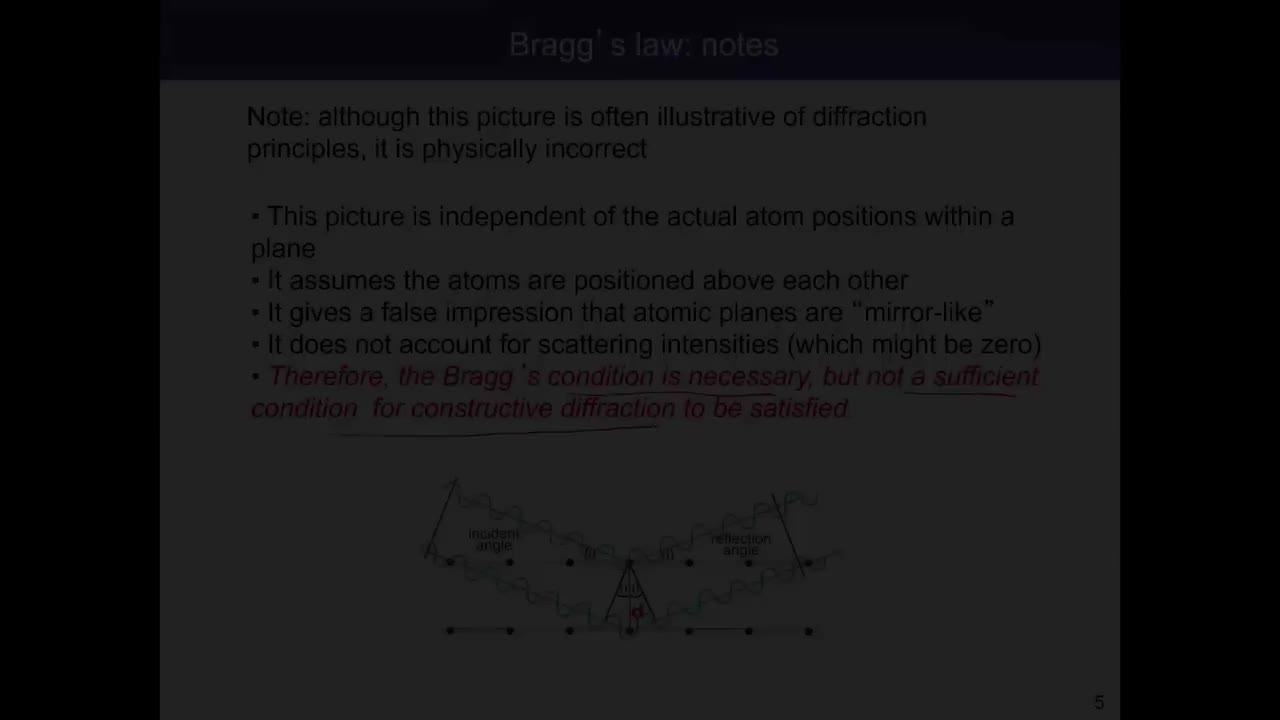
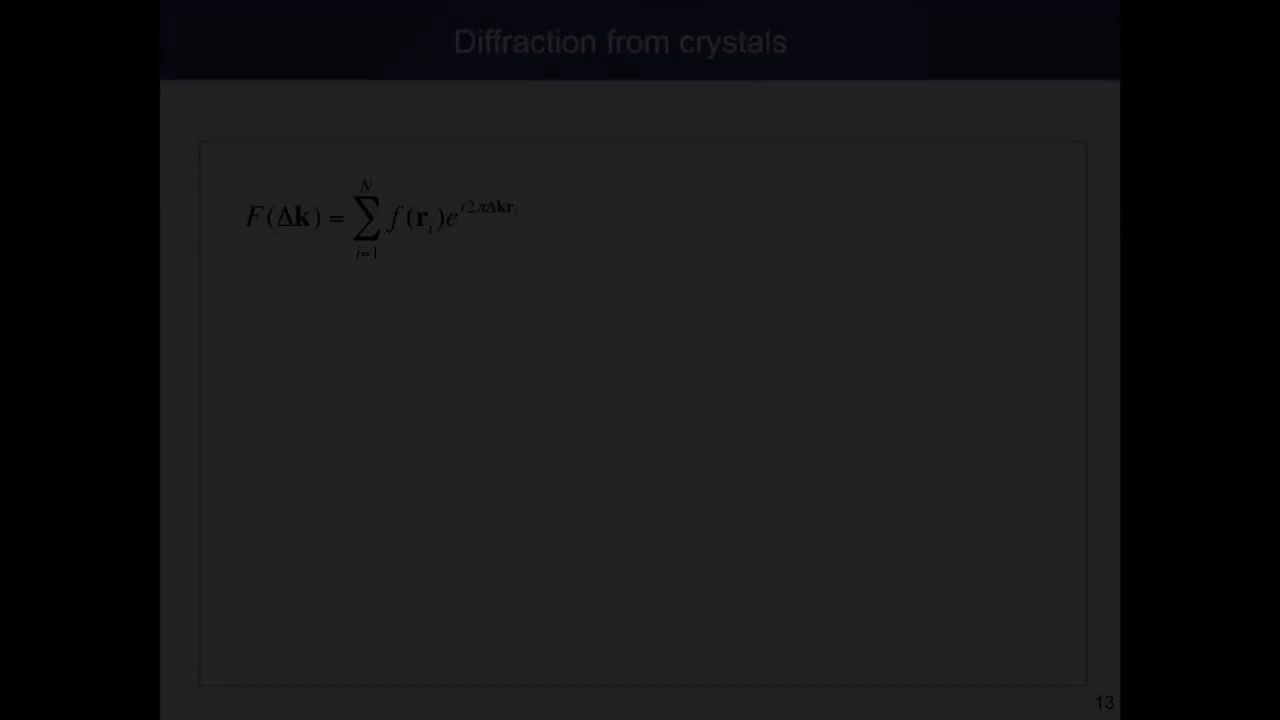
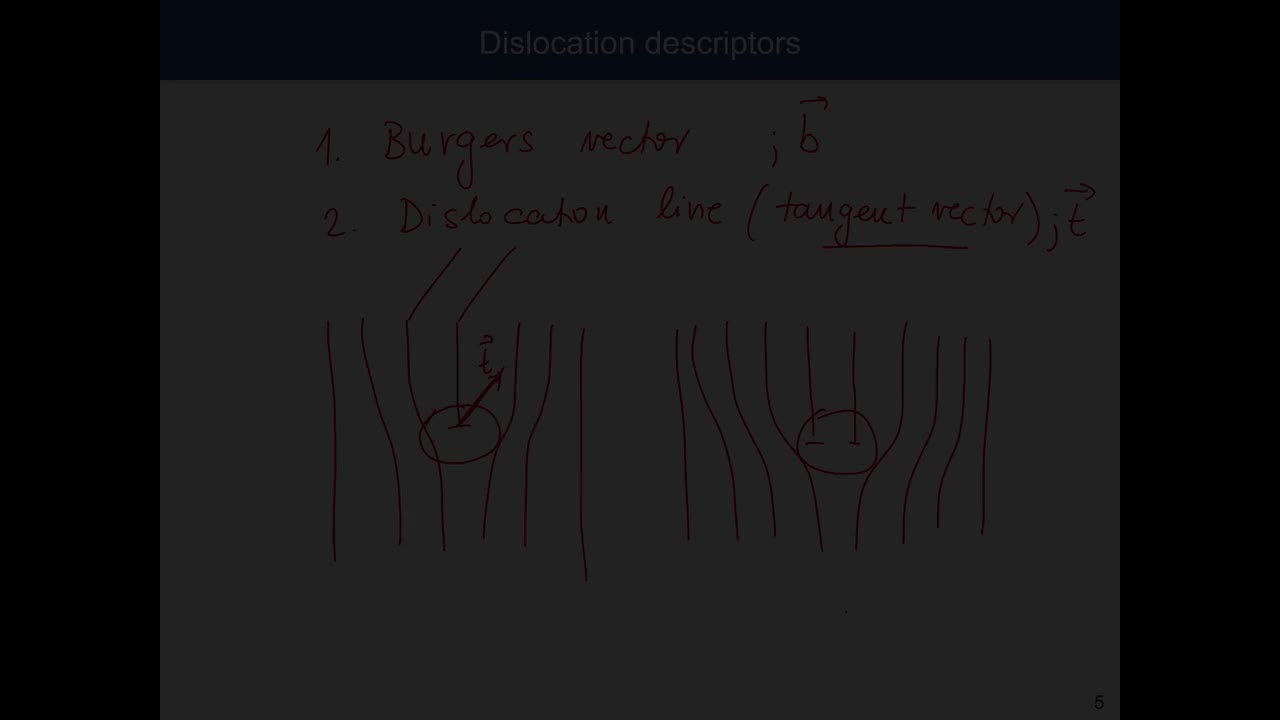
UP主: 封面: 简介:https://www.edx.org/course/structure-of-materials?index=product_value_experiment_a&queryID=799782a95976bd774be412718040fac6&position=1结构在很大程度上决定了一种...
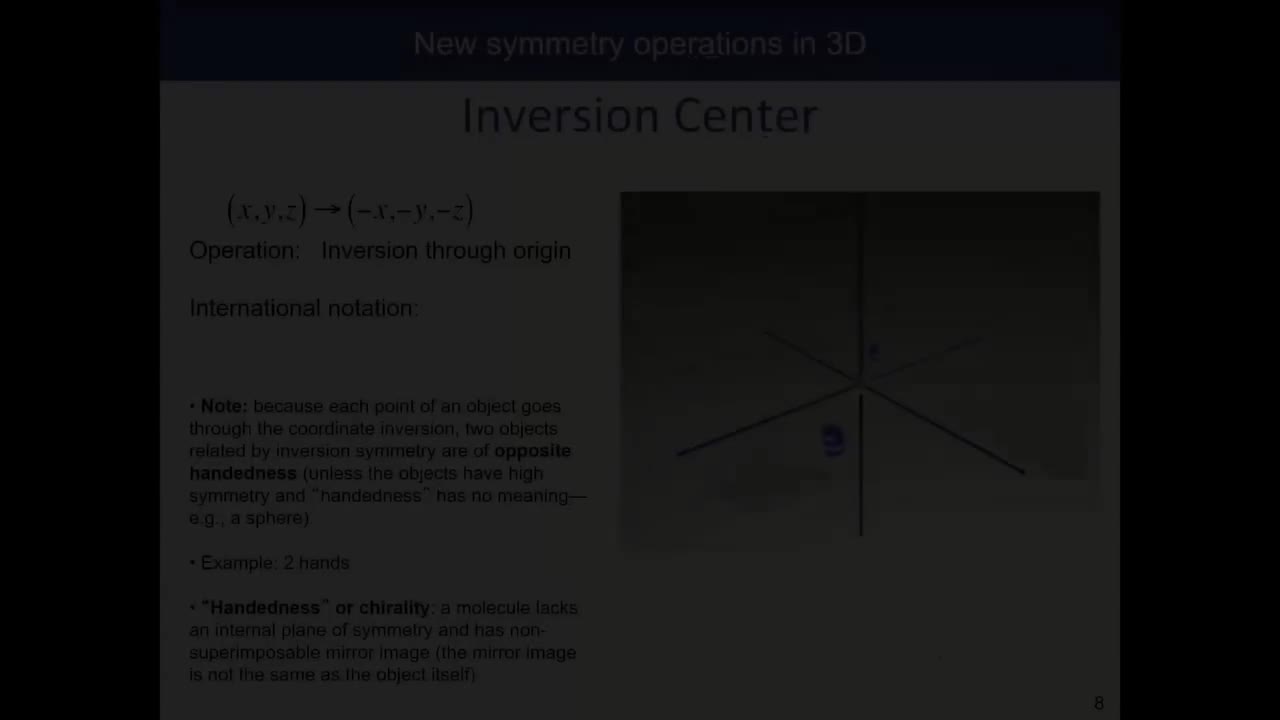
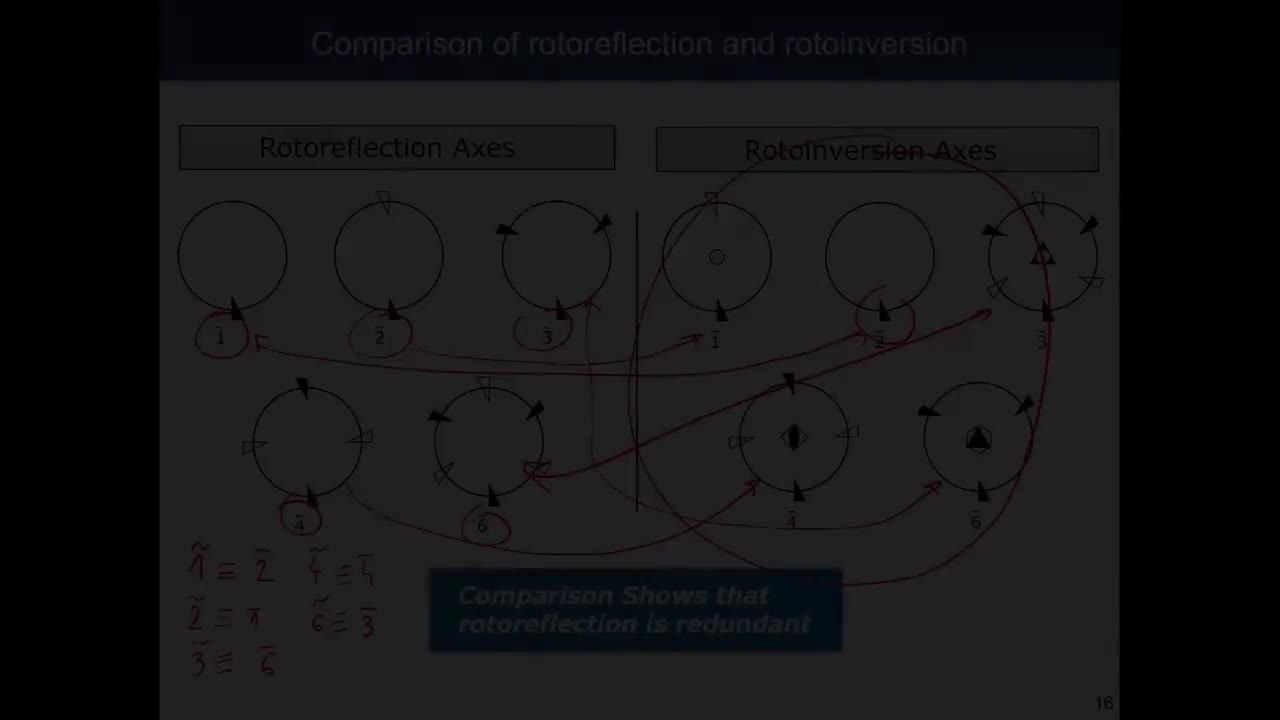
视频选集 1.1-材料结构路线图 Structure of Materials Roadmap 1.2-物态和成键态 State of Matter and Bonding 1.3-物态和成键态-无定形固体 State of Matter and Bonding-Amorphous Solids 1.4-描述符-概念和功能 Descriptors-Concept and Function 1.5-通用描述符-自由体积 Generic Descriptors-Free volume 1.6-通用描述符-对分布函数 Generic Descriptors-Pair Distribution Function 1.7-玻璃加工方法 Glass Processing Methods 1.8-连续网络模型 Continuous Network Model 1.9-网络修饰体 Network Modifiers 1.10-聚合物-随机游走模型 Polymers-Random Walk Model 1.11-聚合物-链到链端距离 Polymers-Chain-to-Chain End Distance, Part 1 1.12-玻璃和聚合物的结构综述 Review-Structure of Glasses and Polymers 1.13-聚合物-链到链端距离 Polymers-Chain-to-Chain End Distance, Part 2 1.14-聚合物中的有序&无序 Order&Disorder in Polymers 2.1-简介-结晶状态 Introduction-The Crystalline State 2.2-平移对称 Translational Symmetry 2.3-2D晶态 The Crystalline State in 2D 2.4-3D晶态 The Crystalline State in 3D 2.5-真实空间和密勒指数 Real Space and Miller Indices 2.6-倒易空间 Reciprocal Space 2.7-真实空间综述 Review-Real Space 2.8-倒易空间 Reciprocal Space-Part 2 2.9-X射线衍射-简介 X-Ray Diffraction-Introduction 2.10-X射线衍射-布拉格定律 X-Ray Diffraction-Bragg's Law 2.11-布拉格定律综述 Bragg's Law Review 2.12-X射线和原子的相互作用 Interactions of X-Rays and Atoms 2.13-晶体的衍射 Diffraction from Crystals 2.14-衍射示例 Diffraction Examples 3.1-晶体中的对称性 Symmetry in Crystals 3.2-对称性-平移,镜像 Symmetry-Translation, Mirror 3.3-对称性-滑动和旋转 Symmetry-Glide and Rotation 3.4-旋转对称综述 Review-Rotational Symmetry 3.5-晶体中允许的旋转对称 Allowed Rotational Symmetry in Crystals 3.6-组合定理#1 Combination Theorem #1 3.7-10个2D点群&结晶学符号 10 2D Point Groups & Crystallographic Notation 3.8-对称性和群论 Symmetry and Group Theory 3.9-10个2D点群 10 Point Groups in 2D 3.10-5点阵类型-介绍和组合定理#2 5 Lattice Types-Introduction & Combination Theorem #2 3.11-5点阵类型-平行四边形和正方形 5 Lattice Type-Parallelogram and Square 3.12-5点阵类型-菱形、矩形、居中矩形&组合定理#3 5 Lattice Types-Rhombus, Rectangular, Centered Rect 3.13-17平面组 17 Plane Groups 4.1-3D对称性介绍 Introduction to 3D symmetry 4.2-反转、旋转反转和旋转反射 Inversion, Roto-Inversion, and Roto-Reflection 4.3-螺旋对称性 Screw Symmetry 4.4-空间点组 Space Point Groups 4.5-空间点组 Space Point Groups, Part 2 4.6-立体投影 Stereographic projection 4.7-空间点组 Space Point Groups 4.8-空间点组 Space Point Groups, Part 2 4.9-立体投影 Stereographic projection 4.10-晶格 Crystal Lattices 4.11-空间组 Space Groups 4.12-材料属性的对称约束 Symmetry Constraints on Materials Properties 4.13-材料属性的对称约束-张量 Symmetry Constraints on Materials Properties-Tensors 4.14-坐标转换 Coordinate Transformation 4.15-对称约束-示例和总结 Symmetry Constraints-Example & Wrapping Up 5.1-准晶体 Quasi Crystals 5.2-塑料和液晶-基本概念 Plastic and Liquid Crystals-- Basic Concepts 5.3-液晶介绍 Introduction to Liquid Crystals 5.4-液晶综述 Review of Liquid Crystals 5.5-液晶描述符-对分布函数 Liquid Crystal Descriptors-Pair Distribution Function 5.6-液晶描述符-顺序参数 Liquid Crystal Descriptors-Order Parameters 5.7-液晶应用 Liquid Crystal Applications 5.8-缺陷简介 Defects-An Introduction 5.9-点缺陷的热力学 Thermodynamics of Point Defects 5.10-空位浓度 Vacancy Concentration 5.11-间隙、固溶体和不平衡缺陷 Interstitials, Solid Solutions, and Nonequilibrium Defects 5.12-点缺陷综述 Review-Point Defects 5.13-离子点缺陷&克罗格–明克符号 Ionic Point Defects & Kröger-Vink Notation 5.14-离子点缺陷-非本征缺陷 Ionic Point Defects-Extrinsic Defects 5.15-扩散 Diffusion 6.1-位错介绍 Introduction to Dislocations 6.2-弹性和塑性变形 Elastic and Plastic Deformation 6.3-应力和应变 Stress and Strain 6.4-位错-定义和描述符 Dislocations-Definition and Descriptors 6.5-位错描述符-切向量综述 Dislocation Descriptors-Tangent Vector Review 6.6-伯格斯矢量和位错类型 The Burgers Vector & Types of Dislocations 6.7-错位运动-攀爬和滑动 Dislocation Motion-Climb and Slip 6.8-解析切应力 Resolved Shear Stress 6.9-错位运动-总结 Dislocation Motion-Wrapping Up 6.10-强化机制 Strengthening Mechanisms-Part 1 6.11-强化机制 Strengthening Mechanisms-Part 2 6.12-表面自由能 Surface Free Energy 6.13-伍尔夫形状 Wulff Shape 6.14-表面缺陷 Surface Defects 6.15-堆垛层错 Stacking Faults 6.16-晶界 Grain Boundaries 6.17-表面重建 Surface Reconstruction 6.18-液晶中的线性缺陷 Linear Defects in Liquid Crystals